We have Answers
- +91 94448 49178
- sales@vigoustech.com
- Mon - Sat: 9am to 6pm

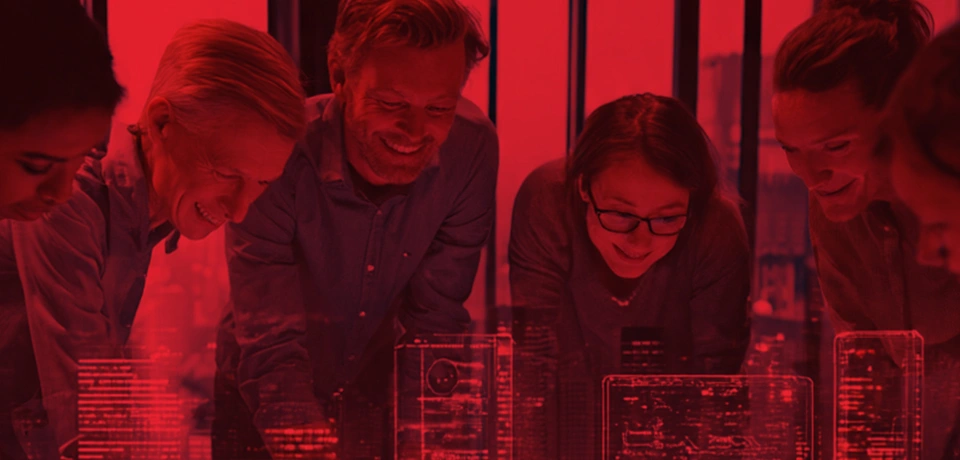
The hybrid workforce is no longer an experiment. It has matured into a powerful, AI-driven operating model that blends remote flexibility with in-person collaboration. As organizations expand across borders and time zones, artificial intelligence is becoming the backbone that keeps global teams aligned, productive, and engaged.
Hybrid Workforce 2.0 is not just about working from home or the office. It represents a deeper cultural shift — where AI supports decision-making, personalizes work experiences, and enables seamless collaboration regardless of location.
The first phase of hybrid work focused on flexibility. The second phase focuses on intelligence.
Hybrid Workforce 2.0 integrates AI into daily workflows to improve efficiency, balance workloads, and remove friction from collaboration. It empowers employees while giving leaders real-time insights into performance and well-being.
AI-assisted collaboration and communication
Data-driven workforce planning
Outcome-based performance measurement
Personalized employee experiences
AI-powered tools automatically summarize meetings, translate conversations in real time, and prioritize messages. Global teams can collaborate smoothly without language or time-zone barriers.
AI analyzes work patterns to help leaders understand productivity trends, skill gaps, and burnout risks. This allows proactive decisions instead of reactive management.
From adaptive learning paths to AI-based task recommendations, employees receive support tailored to their roles and working styles—boosting satisfaction and performance.
Repetitive tasks are increasingly handled by AI, freeing teams to focus on strategic and creative work. This shift is redefining job roles across industries.
AI is not only changing workflows—it is reshaping work culture itself.
Success is measured by results, not hours logged. AI tracks progress objectively, encouraging trust and accountability.
Leaders rely on AI insights to manage distributed teams effectively, making leadership more data-informed and inclusive.
Work schedules, tools, and learning paths adapt to individual needs, supporting diversity and work-life balance.
Increased productivity and efficiency
Stronger global collaboration
Reduced operational costs
Higher employee engagement and retention
Faster decision-making with real-time insights
Organizations that embrace AI-enabled hybrid work gain a competitive advantage in attracting talent and scaling operations globally.
While the benefits are strong, Hybrid Workforce 2.0 also brings challenges:
Data privacy and ethical AI use
Digital fatigue and over-automation
Skills gaps in AI adoption
Maintaining human connection in digital-first environments
Addressing these issues requires clear policies, continuous learning, and a people-first AI strategy.
Hybrid Workforce 2.0 will continue to evolve as AI becomes more intuitive and integrated. Future workplaces will be borderless, adaptive, and deeply human-centered—where technology enhances creativity instead of replacing it.
Organizations that invest today in AI-driven hybrid strategies will define the work cultures of tomorrow.
Trusted by